Research
Topics
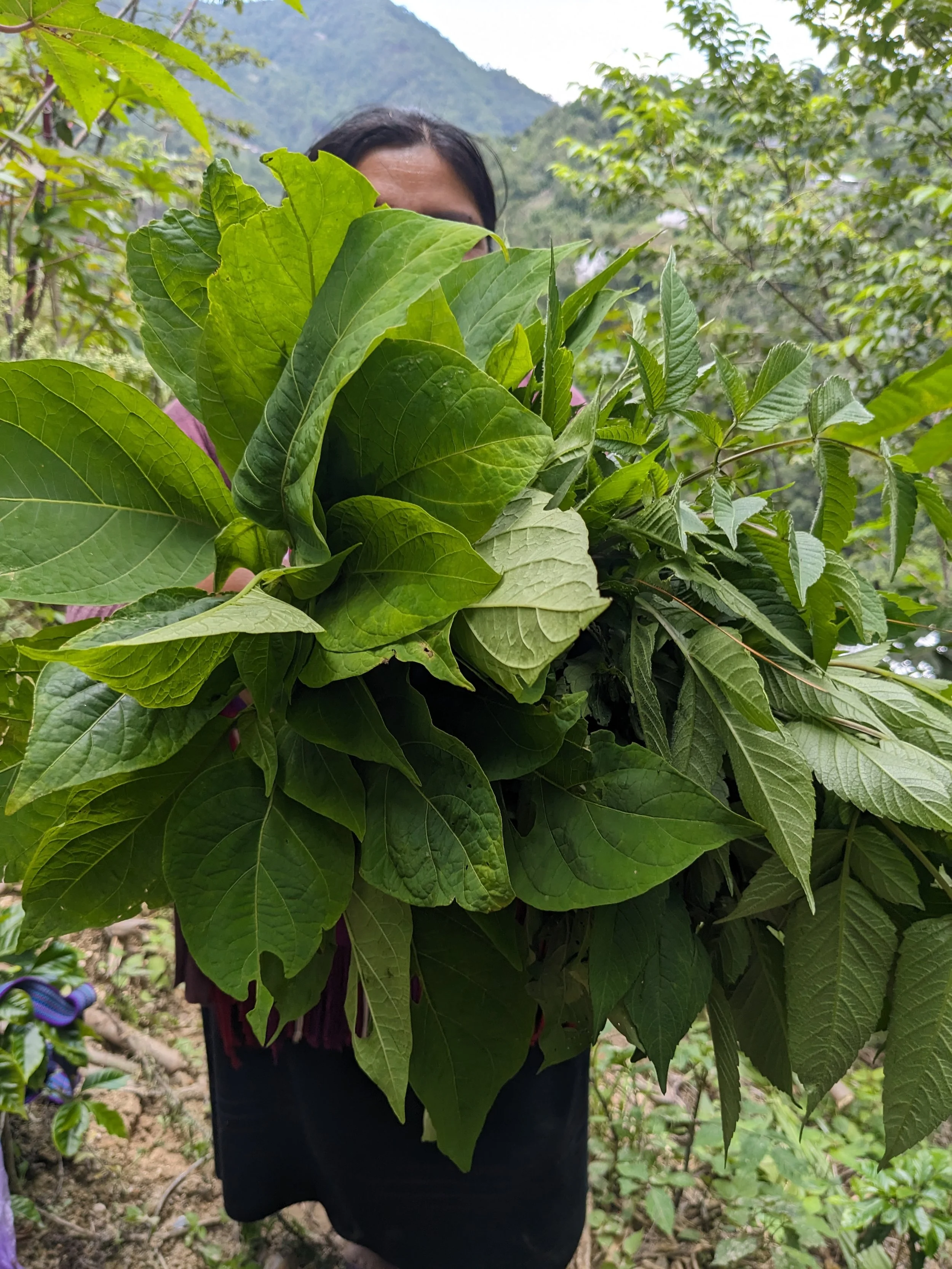
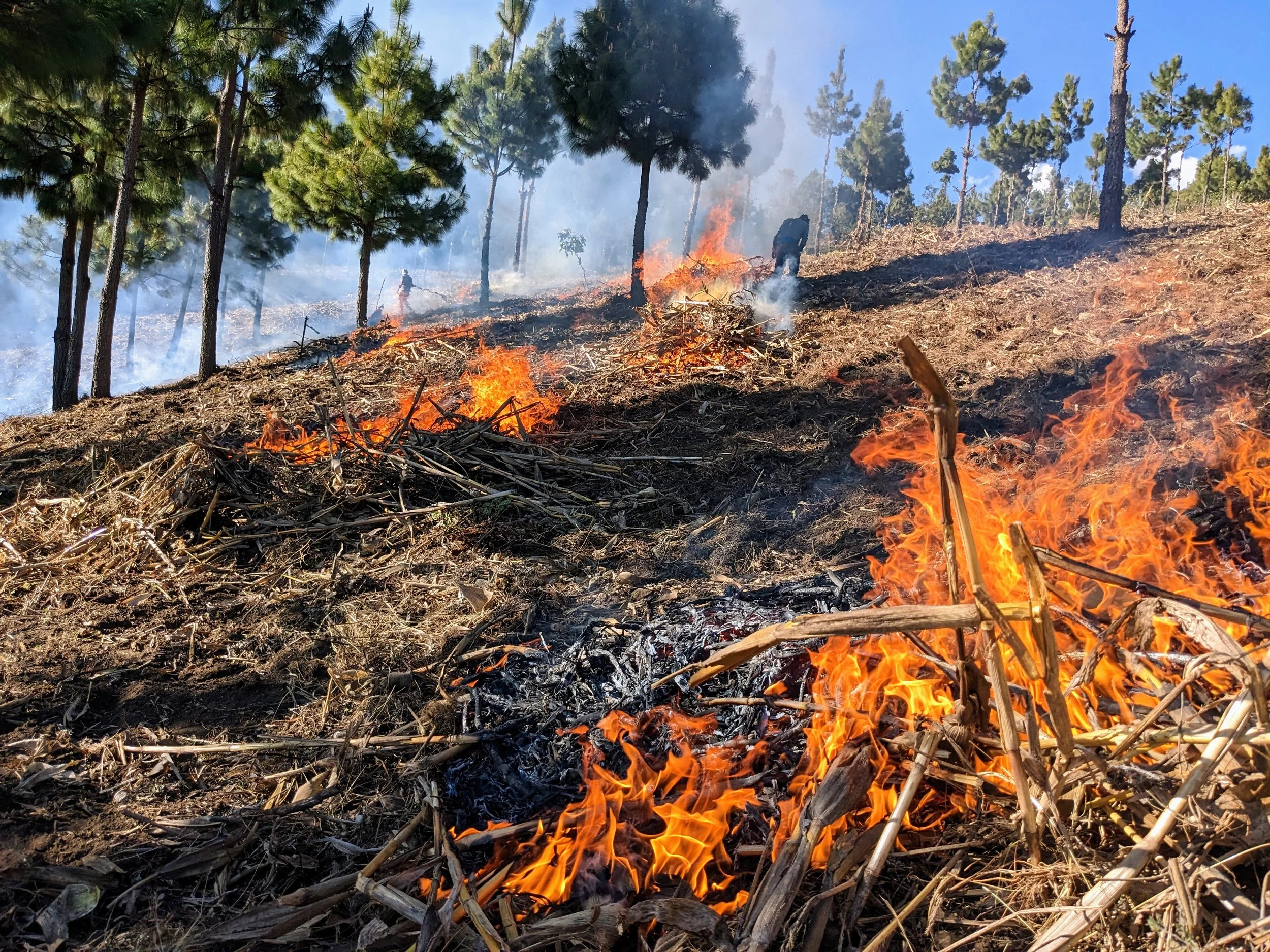
Agrarian Ecology
I study Mam Mayan agricultural practices as both a mode of provisioning household subsistence and a feature of human-altered tropical montane ecology. The first section of my dissertation tracks the diverse variety of crops, plants, animals, geographic features, and weather patterns that Mam Mayans name and act upon in their relationship to the environment. I place these contemporary practices of subsistence in the historical context of the changing landscape of the Cuchumatanes, especially the economic transformations brought about by migration to the U.S.
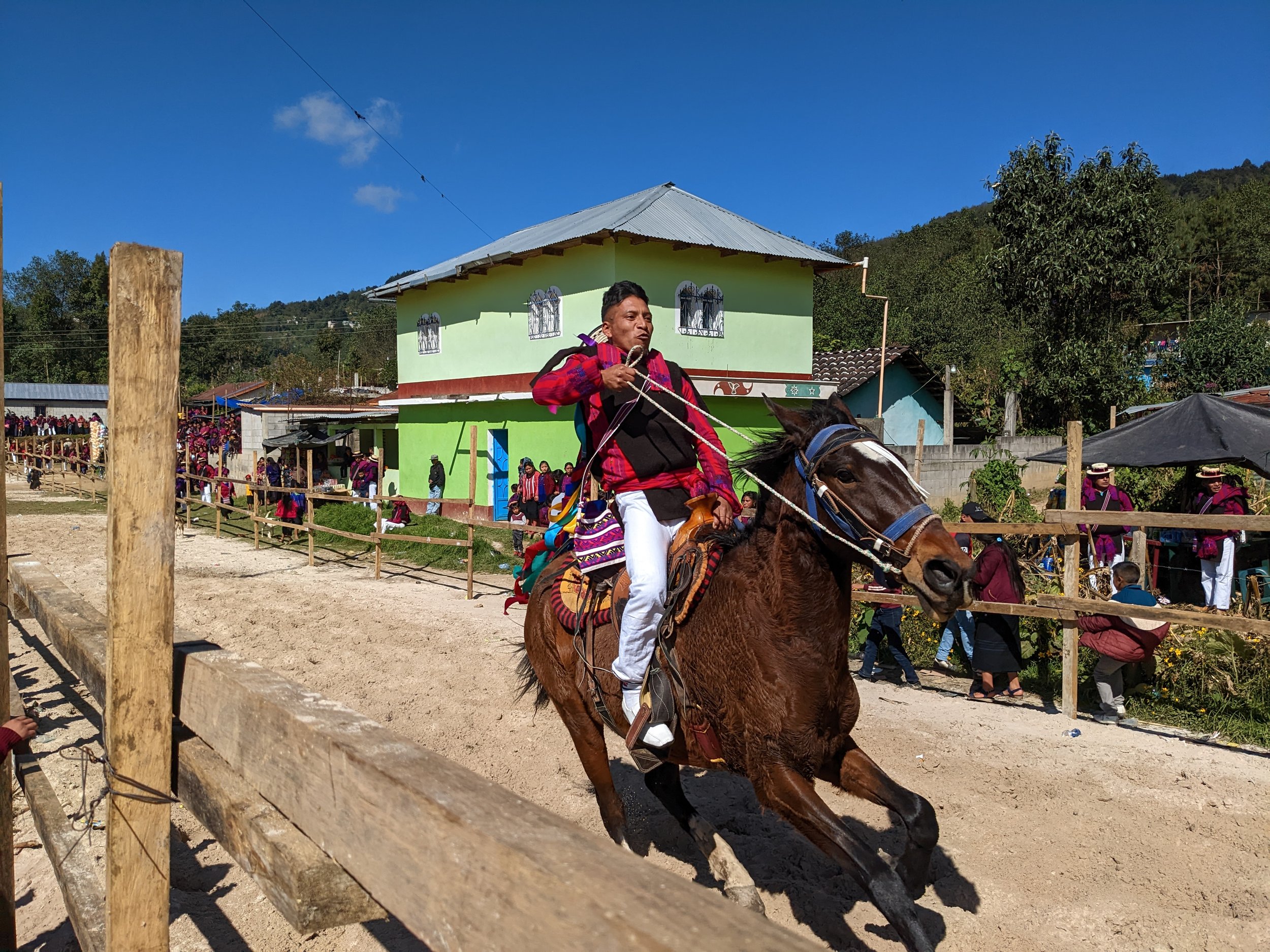
Transnational Migration
For centuries Mam Mayans have seasonally migrated to Guatemalan plantations in order to secure a supplemental income to their subsistence agriculture. Migration to the U.S. serves the same purpose for local livelihood, but introduces new risks and uncertainties. The second section of my dissertation examines transnational migration as understood by Mam communities. I pay particular attention to the agricultural, economic, social, and religious roles played by Mam coyotes, or smugglers, who enable transnational migration in an era of securitized borders.
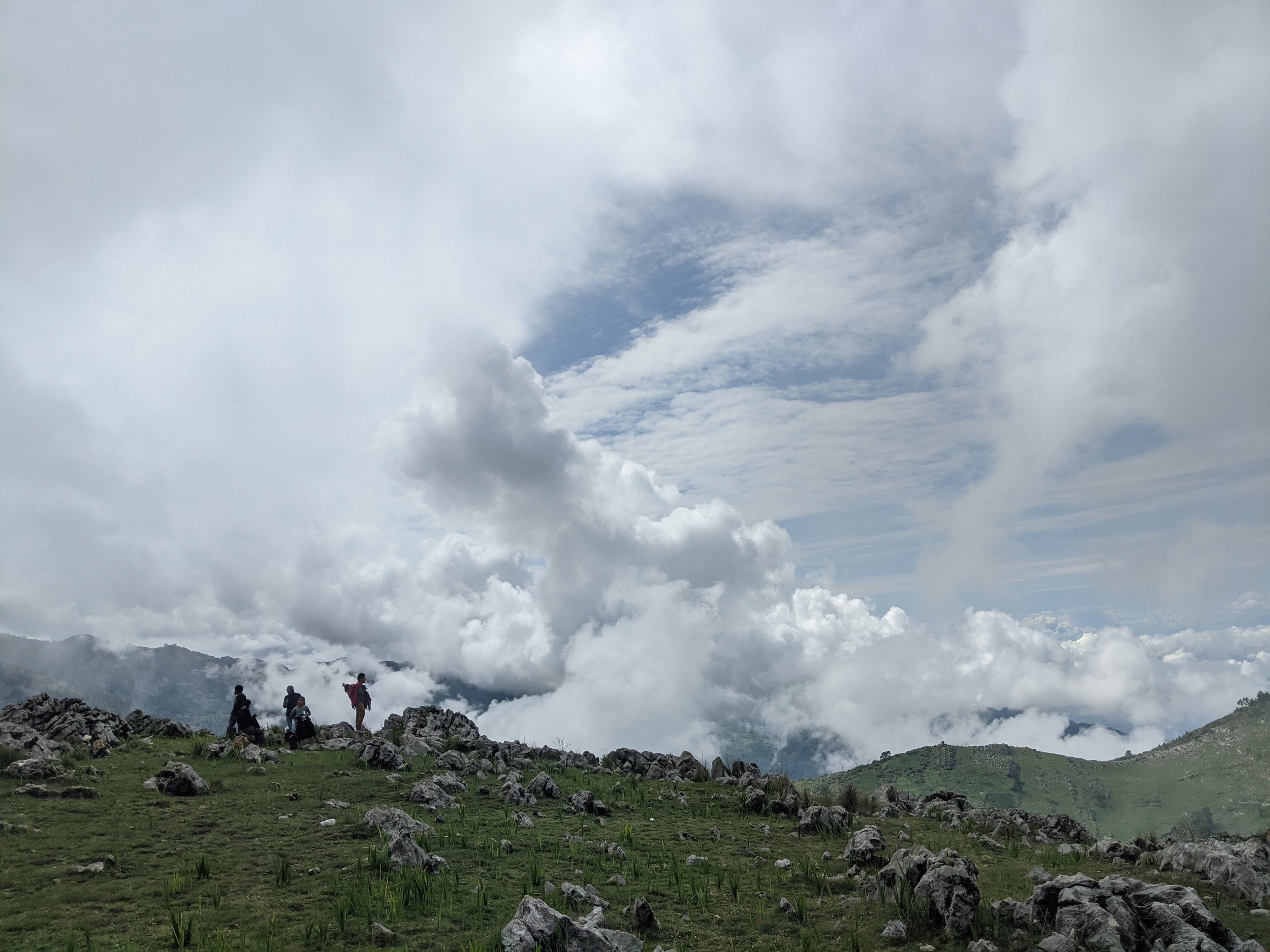
Local Climatic Knowledge
Global anthropogenic climate change is one feature of a complex set of intersecting social and ecological processes that lead to locally salient environmental perturbations. In the third section of my dissertation I examine how Mam Mayans sense and make sense of these complex causal processes in order to intervene in them. I focus on water springs, which cease to flow in the dry season, and landslides, which destroy fields and houses in the wet season, as two causal processes that require Mam Mayans to understand a changing climate’s relationship to the landscape. In this section I also critically assess climate change’s relationship to transnational migration.
Mam Grammatical Categories and Discourse Practices
Throughout my dissertation I pay close attention to the pragmatics of Mam language use as enabling Mam Mayan relationships to the different kinds of risk and uncertainty that they face in their livelihoods. In the first section I track Mam lexical and grammatical categories as revelatory of Mam relationships to the plants, animals, and environmental features that they depend upon for their life and livelihood. In the second section I analyze mountain-oriented deixis in Mam as it motivates Mam experiences of migration. In the third section I examine modality in Mam as the basis for understanding the uncertainty of complex environmental processes.
Publications and Essays
Peer Reviewed Articles
Espinosa Schatz, C., Meier, K., Orrick, K., & Dove, M. R. (2025). Marginal Ecologies: A framework for studying the social–ecological margins. Environmental Research Letters, 20(7), 071004. Link.
Espinosa Schatz, C. (2026). A Theology of Mountains from the Margins: The Linguistic Practices of Mountaintop Prayer in Mam Mayan Experiences of Migration. Religions, 17(3), 384. Link.
Essays
Espinosa Schatz, C. & Aguilar Domingo, G. (2024). “The Chiapaneco: Mayan Oral History of a Climate Disaster” ReVista: Harvard Review of Latin America. Link.
Espinosa Schatz, C. (2021). “Modelling Migration in the Apocalypse” Weather Matters: Understanding the Human Dimensions of Climate Change. Link.